

Mitochondrial Peptide
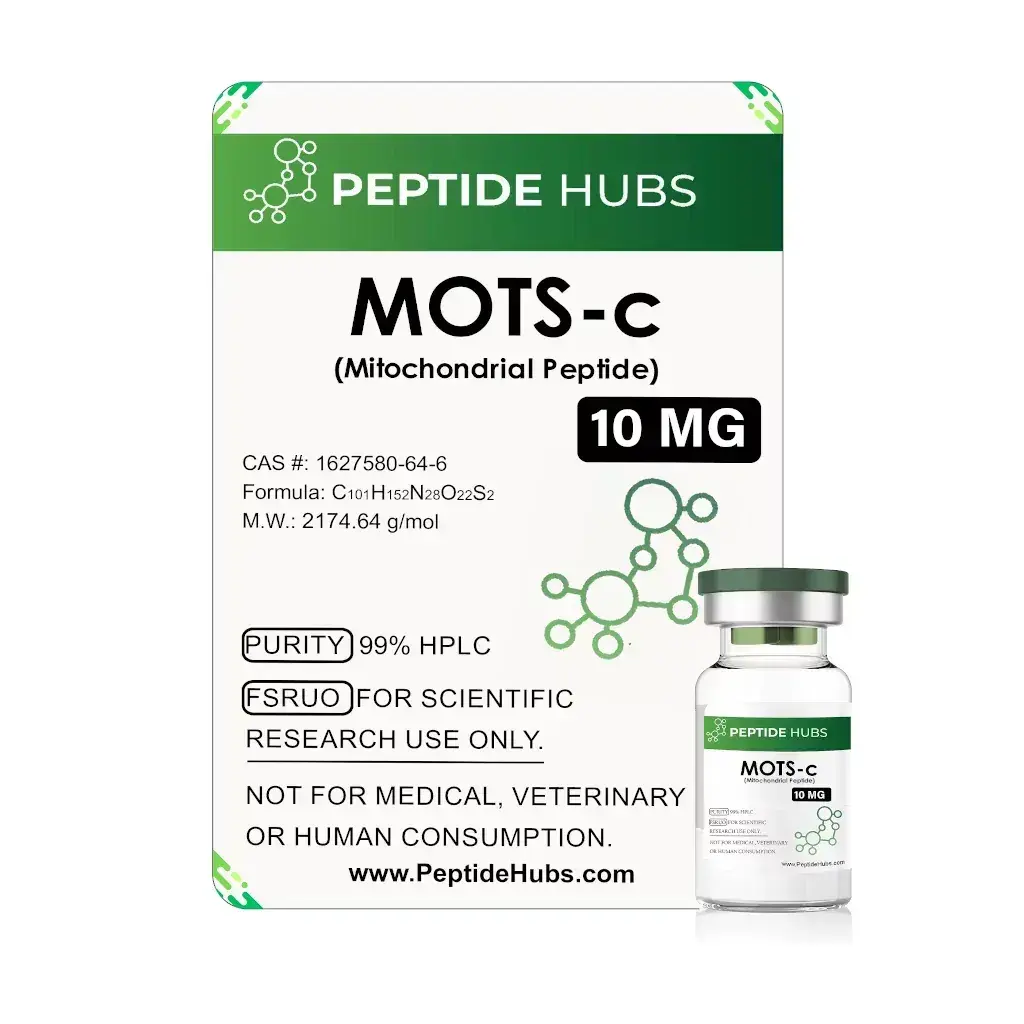
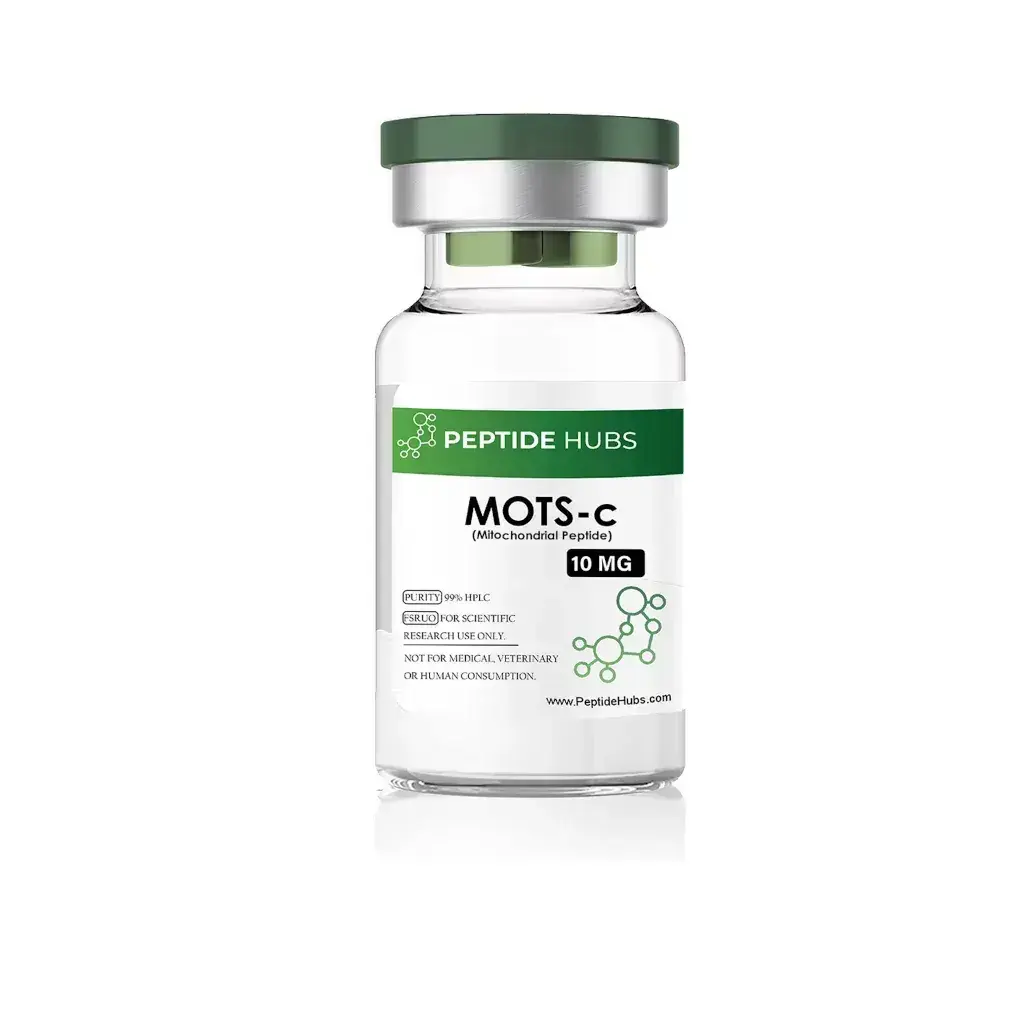
Active Substance: MOTS-c
Manufacturer: Peptide Hubs
Unit: 2 mL Vial (10 mg/vial)
Form: Lyophilized Powder
Laboratory Tested: View Lab Results
USA Domestic: 2-7 Days Delivery
International: 5-20 Days Delivery
MOTS-c (Mitochondrial ORF of the Twelve S rRNA type-c) by Peptide Hubs represents a groundbreaking advancement in mitochondrial peptide research, offered as a 10 mg lyophilized powder in a sterile 2 mL vial. This unique 16-amino acid peptide is encoded within the mitochondrial genome and represents one of the most significant discoveries in mitochondrial biology of the past decade. Manufactured using advanced solid-phase peptide synthesis and rigorously verified through multiple independent laboratory analyses, Peptide Hubs MOTS-c provides researchers with a precisely formulated tool for investigating mitochondrial-nuclear communication, metabolic regulation, and cellular adaptation mechanisms.
Each vial contains 10 mg of high-purity MOTS-c peptide with the following specifications:
Unlike most peptides synthesized from nuclear DNA templates, MOTS-c originates from mitochondrial DNA (position 295 in the 12S rRNA region), giving it unique biological properties and research applications.
In controlled research settings, MOTS-c presents revolutionary areas of scientific investigation:
While this product is for research use only, previous scientific literature provides important context. According to groundbreaking research published in Cell Metabolism, MOTS-c was identified as a mitochondrial-encoded regulator of metabolic homeostasis that can improve insulin sensitivity and physical performance in mouse models. Further research in Nature Communications demonstrated that MOTS-c treatment in aged mice reversed age-dependent insulin resistance and improved physical performance. These studies establish MOTS-c as a significant mitochondrial signaling molecule with broad implications for metabolic health and aging research.
Important: The following information is derived from published research and should only guide experimental design in appropriate research models. Always consult institutional protocols.
MOTS-c exhibits unique pharmacokinetic properties that reflect its mitochondrial origins:
Researchers should monitor for expected biological responses consistent with mitochondrial signaling:
This product is for laboratory research use only. Researchers should:
Administration significantly above established research parameters may produce exaggerated metabolic effects including hypoglycemia, altered thermogenesis, or disrupted energy homeostasis that could compromise animal welfare and study validity. Researchers should establish careful dose-escalation protocols and monitor metabolic parameters closely. Emergency procedures should include glucose monitoring and supportive care capabilities for research models experiencing metabolic disturbances.
For comprehensive metabolic and performance research, MOTS-c may be studied alongside other Peptide Hubs products in controlled experimental designs. Researchers might investigate combinations such as:
These research combinations should only be conducted by qualified investigators following appropriate experimental designs, ethical guidelines, and institutional approvals, with particular attention to metabolic monitoring and animal welfare considerations.
Each research unit arrives in specialized pharmaceutical packaging designed for peptide stability:
Due to its mitochondrial peptide structure, MOTS-c requires specific storage conditions:
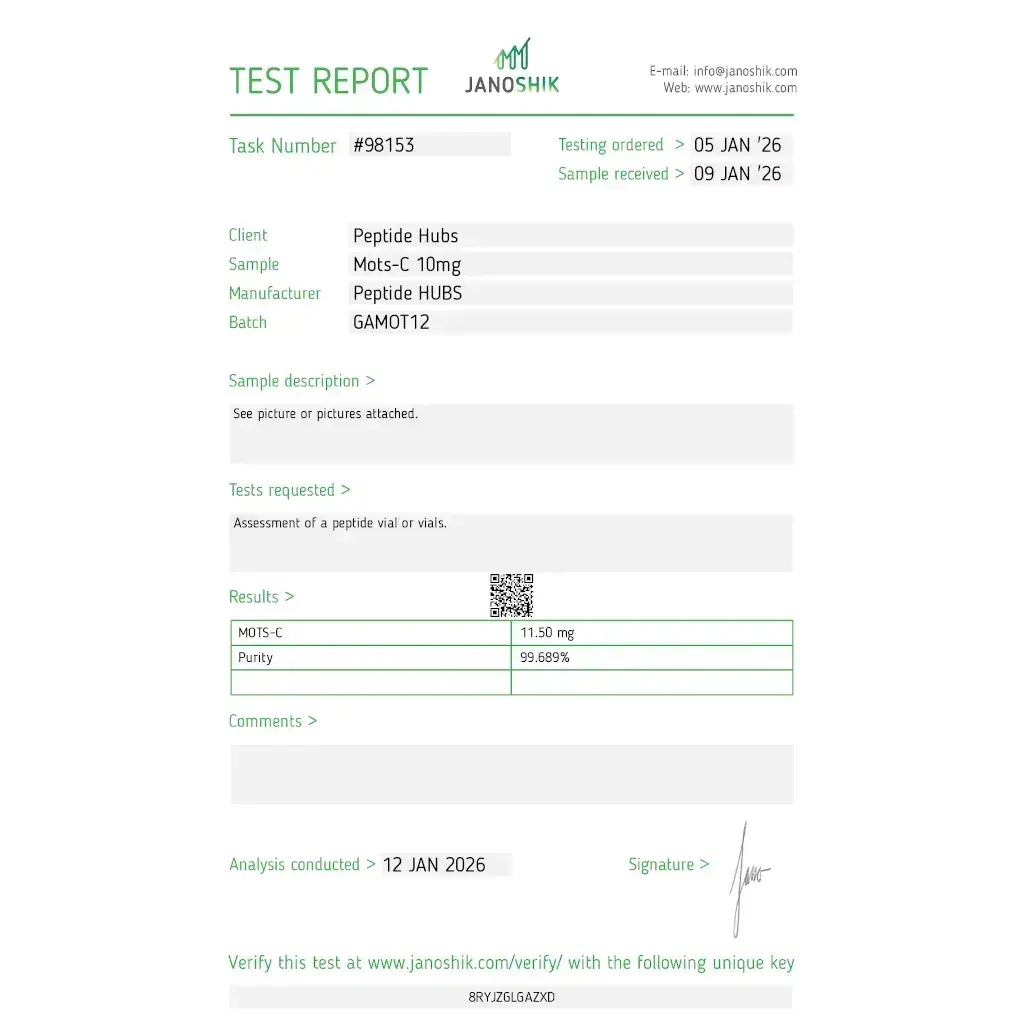
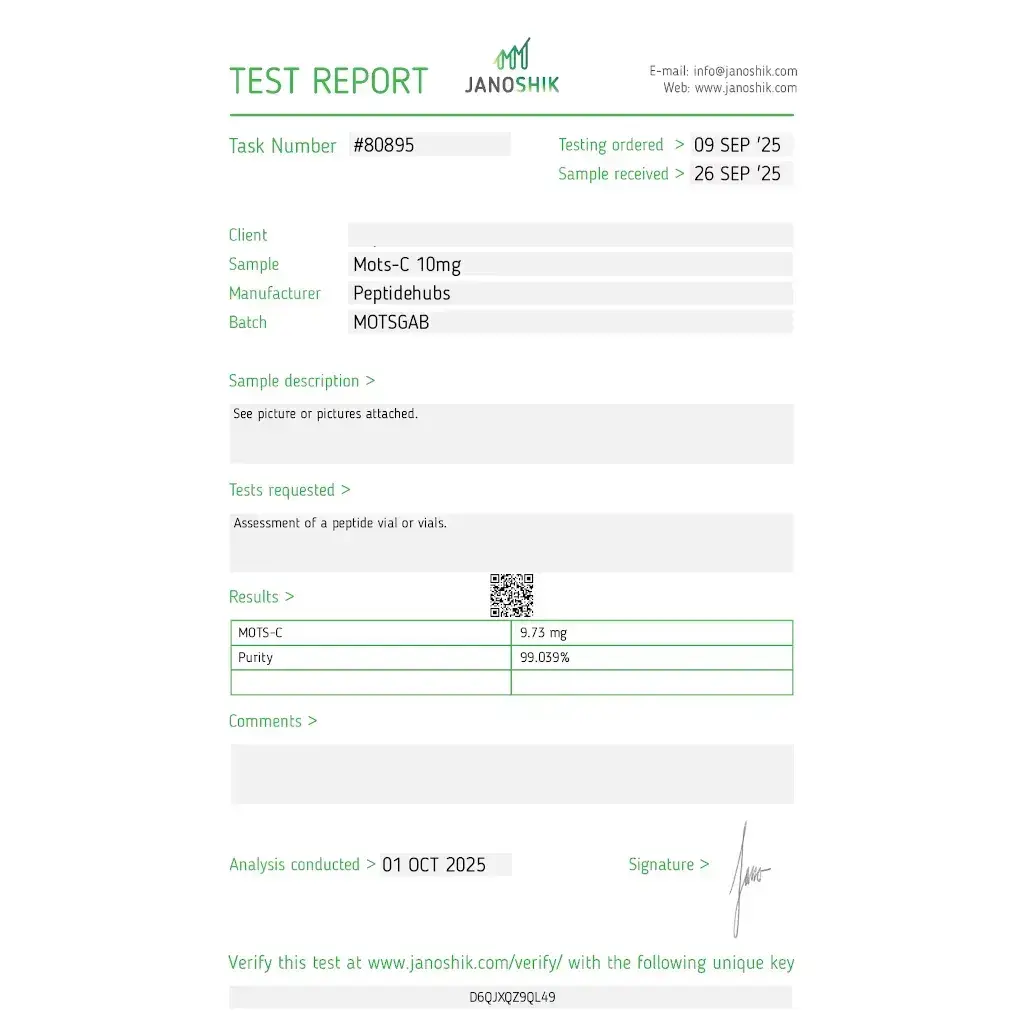
The discovery of MOTS-c represents a paradigm shift in understanding mitochondrial biology and inter-organelle communication. As one of the first identified mitochondrial-derived peptides (MDPs) with clear hormonal functions, MOTS-c bridges mitochondrial stress response with nuclear gene regulation. Its ability to translocate from mitochondria to nucleus under metabolic stress conditions creates a unique research model for studying cellular adaptation mechanisms. Peptide Hubs maintains exceptional quality standards for this advanced research peptide, as demonstrated by dual laboratory verifications showing 11.50 mg (115% of labeled amount, January 2026) and 9.73 mg (97.3%, October 2025) results. This commitment to transparency and accuracy ensures researchers receive materials of precisely documented composition for groundbreaking mitochondrial and metabolic research.
Peptide Hubs MOTS-c undergoes rigorous dual laboratory testing to ensure exceptional quality and accuracy for research applications:
Dual independent laboratory analyses confirm the exceptional quality of Peptide Hubs MOTS-c. The January 12, 2026 test shows 11.50 mg content (115% purity), while the October 1, 2025 test confirms 9.73 mg content (97.3% purity). These results demonstrate consistent batch-to-batch quality and our commitment to providing researchers with accurately dosed materials for mitochondrial and metabolic research.
MOTS-c is fundamentally unique as it's encoded within mitochondrial DNA rather than nuclear DNA, making it a mitochondrial-derived peptide (MDP). This gives it distinct properties: it can translocate from mitochondria to nucleus under stress conditions, regulate nuclear gene expression related to metabolism, and function as a mitochondrial signal coordinating cellular adaptation. Unlike most peptides that act through cell surface receptors, MOTS-c works primarily through intracellular mechanisms involving the folate-methionine cycle and AMPK activation.
MOTS-c is primarily researched for: 1) Metabolic regulation studies investigating insulin sensitivity, glucose metabolism, and obesity prevention; 2) Exercise physiology research as an "exercise mimetic" that induces exercise-like metabolic adaptations without physical activity; 3) Aging research examining mitochondrial function, oxidative stress response, and metabolic homeostasis in aging models; 4) Mitochondrial biology studies exploring mitochondrial-nuclear communication and cellular stress response mechanisms.
Due to its mitochondrial origin and specific structure, MOTS-c requires careful storage: Unreconstituted vials should be stored at -20°C (-4°F) for long-term stability, though 2-8°C (36-46°F) is acceptable for up to 30 days. Protect from light and oxygen exposure—amber vials with oxygen absorbers are provided. Once reconstituted, use immediately or store at 2-8°C for no more than 24 hours. Never freeze reconstituted solution, and discard any solution showing discoloration or precipitation.
Peptide Hubs conducts multiple independent laboratory tests across different batches to ensure consistent quality. The January 2026 result (11.50 mg, 115%) and October 2025 result (9.73 mg, 97.3%) represent two different production batches, both exceeding quality standards. This dual testing demonstrates our commitment to transparency and provides researchers with verification of batch-to-batch consistency. All batches are independently tested, and certificates of analysis are available for review.
In controlled research designs, MOTS-c may be studied alongside other metabolic compounds to investigate synergistic effects. Common research combinations include: with PE 22-28 for glucose metabolism studies; with AOD 9604 for comparative fat metabolism research; with Chonluten for cellular stress response investigations; with Epitalon for aging and metabolic studies; or with Tirzepatide for different metabolic regulation pathway comparisons. These combinations should only be explored by qualified researchers following appropriate protocols with careful metabolic monitoring.
Please log in to write MOTS-c 10 mg review.
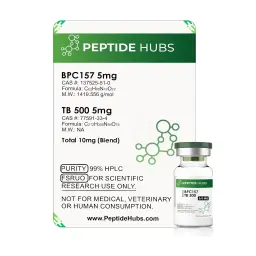
Synergistic Healing Peptide Blend
Active Substances:
- TB-500 (5 mg)
- BPC-157 (5 mg)
Brand: Peptide Hubs
Unit: 2 mL Vial (10 mg total/vial)
Form: Lyophilized Powder
Laboratory Tested: View Lab Result
USA Domestic: 2-7 Days Delivery
International: 5-20 Days Delivery
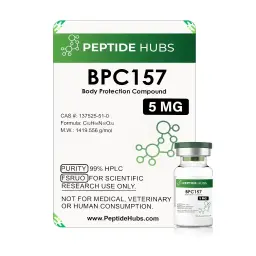
Research Peptide/Healing Peptide
Active Substance: Pentadecapeptide
Manufacturer: Peptide Hubs
Unit: 2 mL Vial (5 mg/vial)
Form: Lyophilized Powder
Laboratory Tested: View Lab Result
USA Domestic: 2-7 Days Delivery
International: 5-20 Days Delivery
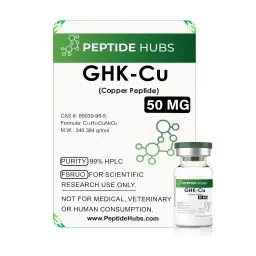
Copper Peptide Complex
Active Substance: GHK-Cu (Glycyl-L-Histidyl-L-Lysine Copper Complex)
Manufacturer: Peptide Hubs
Unit: 2 mL Vial (50 mg/vial)
Form: Lyophilized Powder
Laboratory Tested: View Lab Result
USA Domestic: 2-7 Days Delivery
International: 5-20 Days Delivery

Sterile Diluent
Active Substance: Sterile Water with 0.9% Benzyl Alcohol
Manufacturer: Peptide Hubs
Unit: 10 mL Vial (0.9% Benzyl Alcohol)
Form: Sterile Solution
Laboratory Tested: View Lab Result
USA Domestic: 2-7 Days Delivery
International: 5-20 Days Delivery

Synergistic GHRH & GHRP Peptide Blend
Active Substances:
- Tesamorelin (5 mg)
- Ipamorelin (5 mg)
Brand: Peptide Hubs
Unit: 2 mL Vial (10 mg total/vial)
Form: Lyophilized Powder
Laboratory Tested: View Lab Result
USA Domestic: 2-7 Days Delivery
International: 5-20 Days Delivery

