

Growth Hormone Secretagogue Blend
Active Substances:
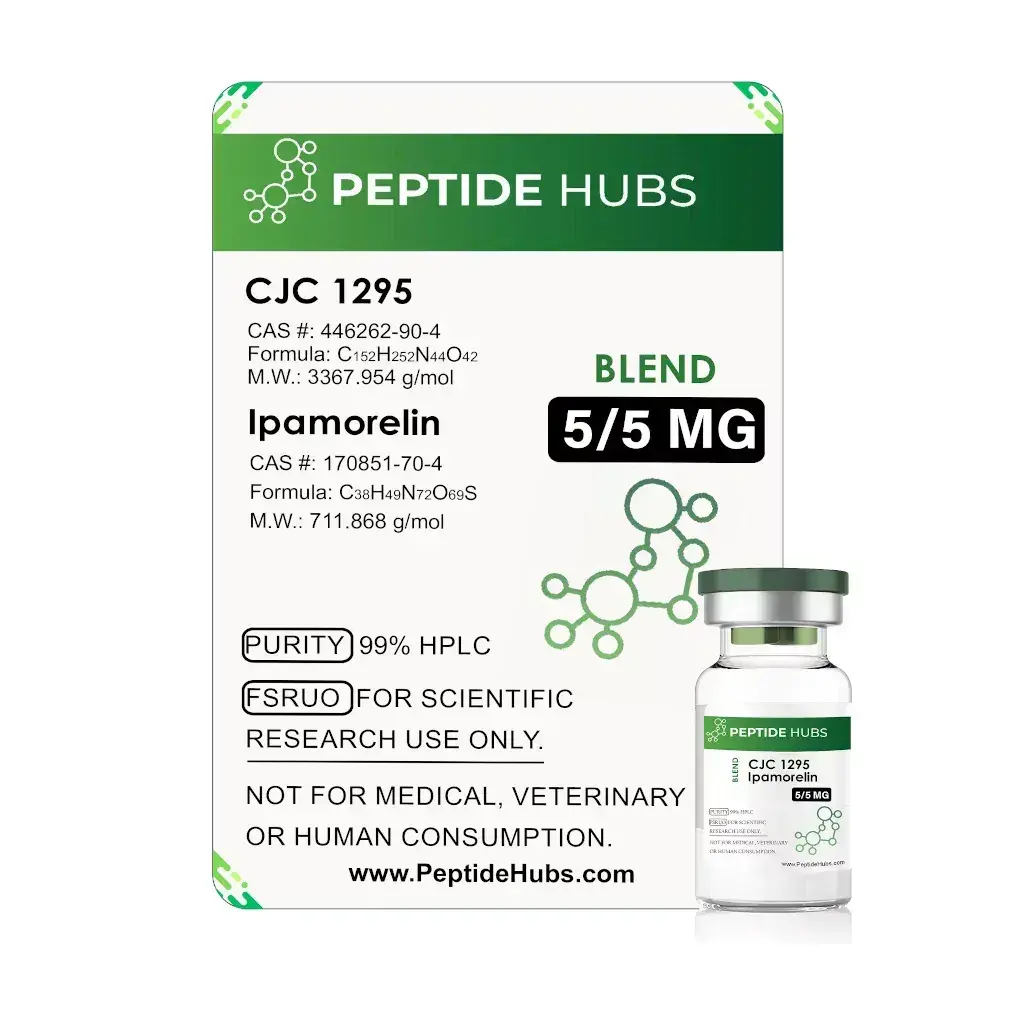
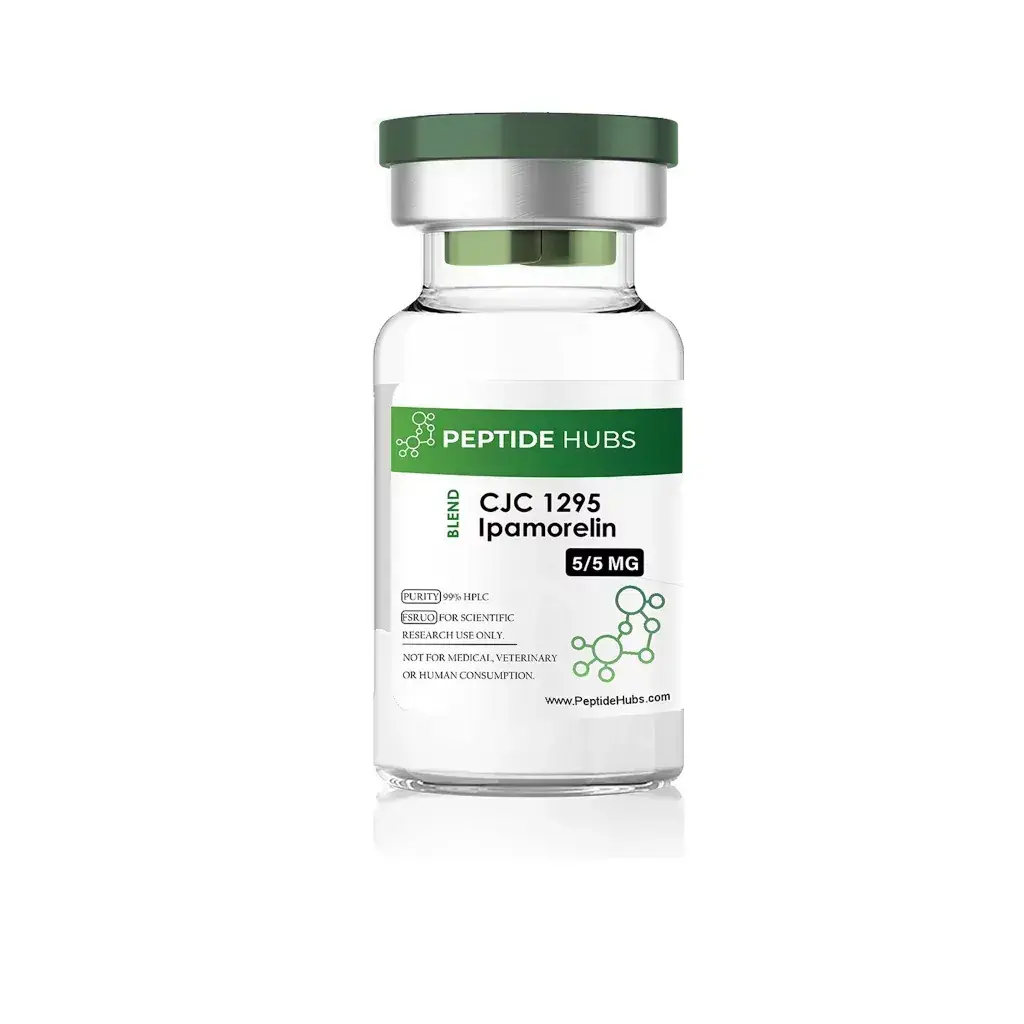
- CJC-1295 No DAC 5 mg
- Ipamorelin 5 mg
Manufacturer: Peptide Hubs
Unit: 2 mL Vial (10 mg total)
Form: Lyophilized Powder
Laboratory Tested: View Lab Result
USA Domestic: 2-7 Days Delivery
International: 5-20 Days Delivery
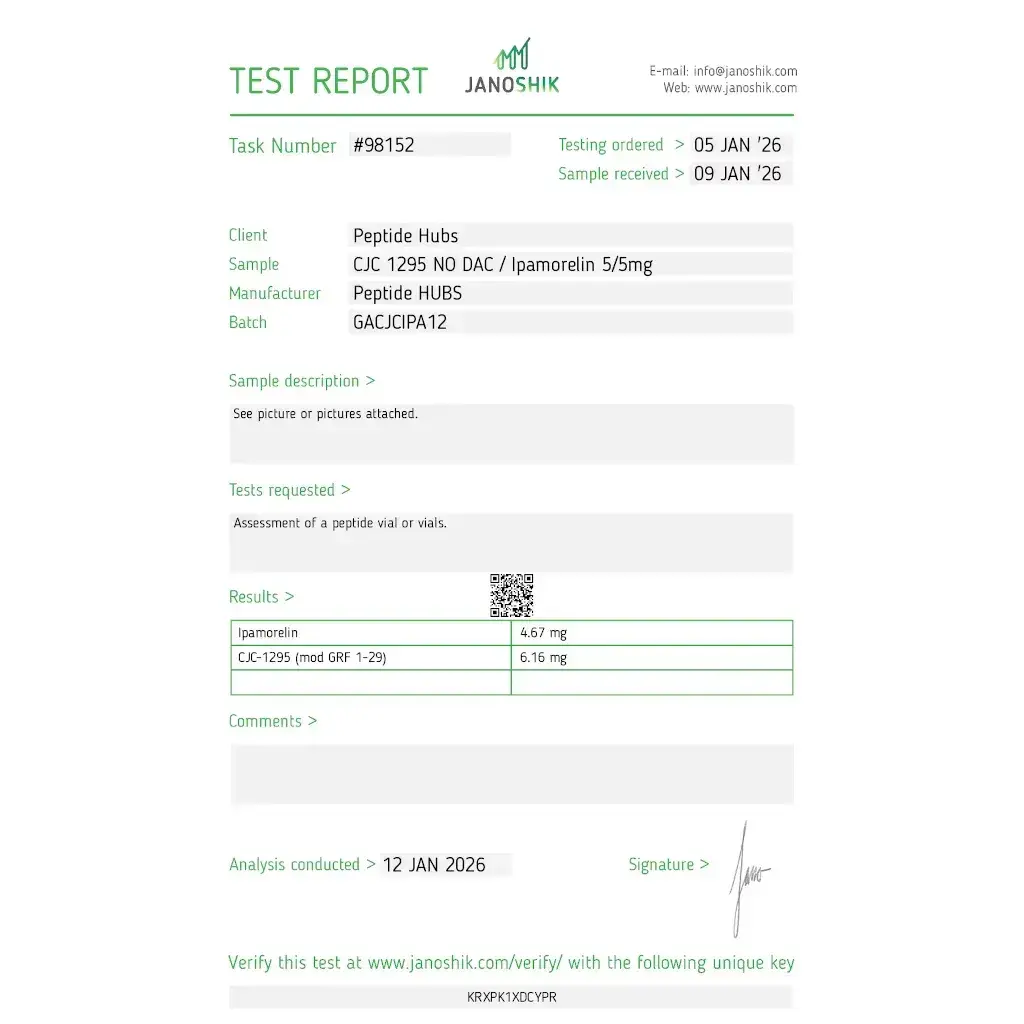
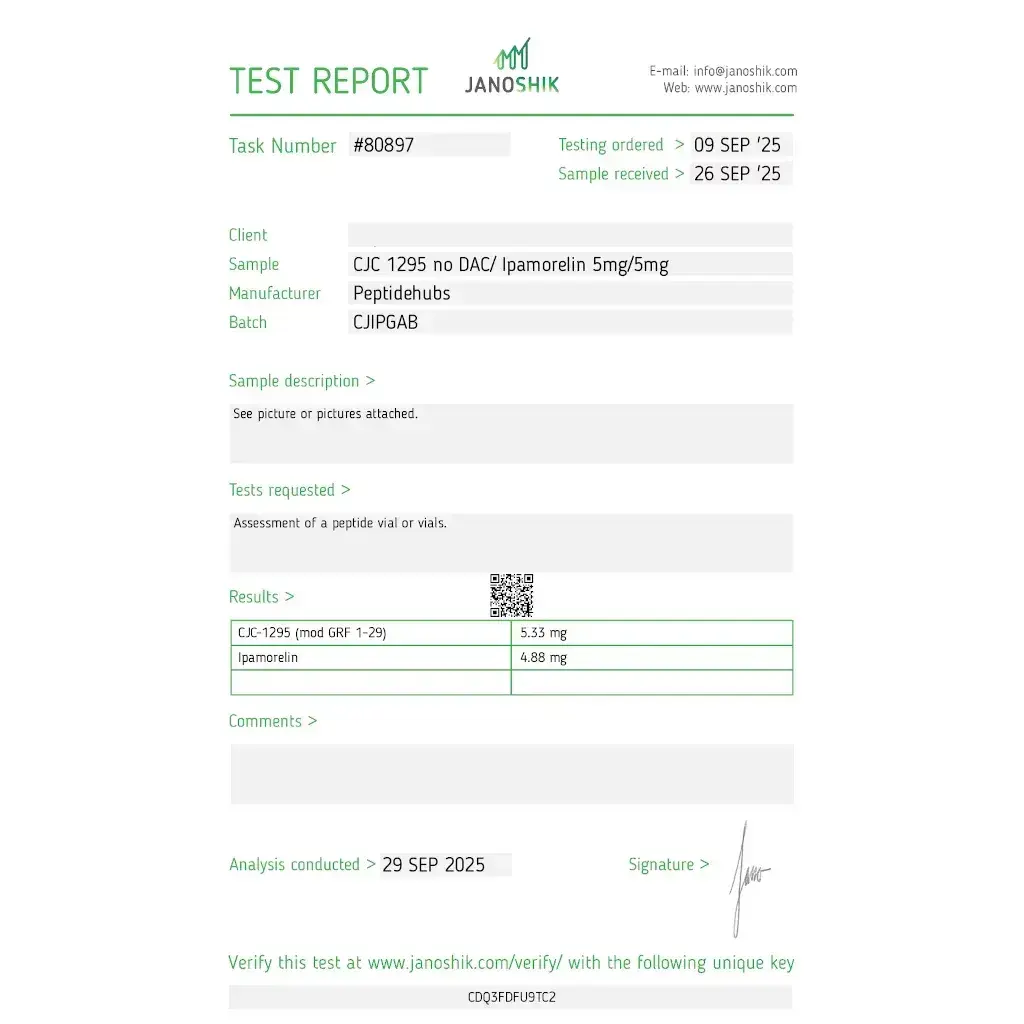
Peptide Hubs presents the definitive research stack: a synergistic 10 mg blend of CJC-1295 No DAC (5 mg) and Ipamorelin (5 mg) in a single lyophilized vial. This pre-mixed combination represents the pinnacle of growth hormone secretagogue research, combining a modified Growth Hormone-Releasing Hormone (GHRH) analog with a selective Growth Hormone Releasing Peptide (GHRP) to create a powerful, complementary effect on endogenous GH release. With two independent third-party lab tests verifying precise ratios (6.16 mg/4.67 mg and 5.33 mg/4.88 mg), researchers receive a consistently potent and accurately formulated product. For bodybuilders and athletes, this blend offers a streamlined research model for investigating amplified, pulsatile GH secretion to support fat loss, muscle growth, recovery, and anti-aging effects without the complexities of mixing separate peptides.
Each sterile 2 mL vial contains a total of 10 mg of active peptides: precisely 5 mg of CJC-1295 No DAC (Modified GRF 1-29) and 5 mg of Ipamorelin. The peptides are combined as a homogeneous lyophilized powder, ensuring equal distribution upon reconstitution. CJC-1295 No DAC is a 29-amino acid GHRH analog with D-Ala and Norleucine modifications for stability. Ipamorelin is a pentapeptide (Aib-His-D-2-Nal-D-Phe-Lys-NH2) that acts as a selective ghrelin receptor (GHS-R1a) agonist. The blend is free from fillers and requires reconstitution with bacteriostatic water for research use.
Research on this synergistic blend focuses on the compounded benefits of stimulating the GH/IGF-1 axis through two distinct pathways. Investigational benefits include: significantly enhanced lipolysis and reduction of stubborn body fat, particularly visceral adipose tissue; improved nitrogen retention and protein synthesis for support of lean muscle mass accretion; accelerated recovery from intense training through increased collagen synthesis and cellular repair; potential improvements in sleep quality, skin elasticity, and connective tissue strength; and a metabolic environment conducive to body recomposition. The blend's pulsatile action mimics natural physiology, making it a preferred subject over constant, non-physiological GH elevation.
While a research chemical, the components of this blend have been studied in contexts related to growth hormone deficiency and metabolic health. CJC-1295 (as a GHRH analog) stimulates GH synthesis and pulsatile release from the pituitary. Ipamorelin selectively activates the ghrelin receptor to trigger GH release without significant effects on cortisol, prolactin, or appetite—a key distinction from other GHRPs. The rationale for combining GHRH and GHRP analogs is supported by endocrine science, as noted in resources from the National Institutes of Health (NIH), which describe the synergistic effects on GH secretion.
This blend operates through a powerful two-receptor model on pituitary somatotroph cells. CJC-1295 No DAC binds to the Growth Hormone-Releasing Hormone (GHRH) receptor, activating the cAMP pathway, which upregulates GH gene expression and primes the cell for release. Ipamorelin binds to the Ghrelin receptor (GHS-R1a), activating the inositol phosphate pathway, which triggers the release of stored GH. When administered together, they act synergistically: GHRH analogs determine the amplitude (size) of the GH pulse, while GHRPs determine the frequency and timing. This results in a GH pulse that is significantly larger and more reliable than what either peptide could produce alone.
Research protocols for this blend leverage its pre-mixed 1:1 ratio for simplicity. Common investigative doses range from 100 mcg to 300 mcg of the total blend per administration, which equates to 50-150 mcg of each individual peptide. It is typically administered via subcutaneous injection 2-3 times daily to mimic natural pulsatility, with critical doses taken before bedtime (to enhance nocturnal pulses) and post-workout. A standard research dose is often 100-200 mcg of the blend (50-100 mcg each) taken 2-3 times daily. Cycles commonly last 8-16 weeks, followed by a break to prevent receptor desensitization.
Research dosing for female subjects follows similar protocols but often initiates at the lower end of the range (e.g., 100 mcg total blend per dose) due to potentially higher GH sensitivity. The same multi-daily administration schedule applies. The selective nature of Ipamorelin (minimal hunger stimulation) makes this blend particularly suitable for female research subjects concerned about appetite increase. Conservative, observation-based protocol design is always recommended.
Both peptides in the blend have short half-lives, contributing to their pulsatile effect. CJC-1295 No DAC has a plasma half-life of approximately 30 minutes. Ipamorelin has a similar half-life of around 30-60 minutes. The resulting GH pulse, however, elevates GH levels for approximately 90-120 minutes post-injection. This short active life necessitates multiple daily administrations in research to achieve a physiological pulse frequency, which is integral to the blend's intended mechanism.
Research indicates this blend has a favorable side effect profile, largely due to Ipamorelin's selectivity. The most common observations are transient effects associated with the GH pulse itself: mild flushing, warmth, or a slight headache shortly after injection, which typically subside within 30 minutes. Unlike blends with GHRP-6 or GHRP-2, Ipamorelin minimizes hunger stimulation and does not significantly elevate cortisol or prolactin. The pulsatile nature also avoids the water retention and joint pain associated with constant GH elevation. Injection site reactions are rare with proper technique.
This blend is contraindicated in research involving subjects with active or suspected malignancies, as GH and IGF-1 are growth factors. Caution is advised in studies with subjects who have diabetes or insulin resistance due to GH's anti-insulin effects. It should not be used in subjects with known hypersensitivity to either peptide. The blend is for laboratory research use only and is not for human consumption, diagnosis, or treatment.
Exceeding research-level doses could amplify the transient side effects (flushing, headache) and, with chronic extreme overdosage, potentially lead to symptoms of acromegaly (like tingling extremities) due to sustained high GH/IGF-1. The short half-lives of both peptides limit the duration of any single overdosage event. Responsible research adheres to established microgram dosing protocols to study the synergistic effect without unnecessary risk.
While this product is a complete stack itself, it can be researched alongside other compounds for targeted effects. Potential research combinations include:
These are advanced frameworks for multifaceted research protocols.
The product is supplied as one sterile glass vial containing 10 mg total of the peptide blend (5 mg CJC-1295 No DAC + 5 mg Ipamorelin) as a white lyophilized powder. The vial is sealed with a rubber stopper and aluminum crimp to ensure sterility. Packaging is discreet and secure.
For maximum long-term stability of the lyophilized powder, store at or below -20°C (-4°F). For short-term use (several weeks), refrigeration at 2-8°C (36-46°F) is sufficient. After reconstitution with bacteriostatic water, the solution must be refrigerated and used within 7-10 days to maintain the potency of both peptides, as their short sequences can degrade over time in solution.
The synergistic action of GHRH and GHRP analogs is a well-documented phenomenon in endocrinology. Key references include studies on the combined administration of GHRH and GHRP-6, as well as specific pharmacokinetic and efficacy studies on Ipamorelin. Researchers are encouraged to consult literature on the somatotropic axis, peptide synergy, and the clinical profiles of selective vs. non-selective GHRPs to design robust studies with this premium blend.
This blend is considered the gold standard because it combines two peptides that work synergistically through different receptors (GHRH and Ghrelin) to produce a powerful, physiological pulse of Growth Hormone. CJC-1295 No DAC provides the signal for GH synthesis and pulse amplitude, while Ipamorelin provides the trigger for release. Ipamorelin's selectivity means it does not significantly increase hunger, cortisol, or prolactin—common drawbacks of other GHRPs. Together, they offer a potent, clean, and research-efficient way to study endogenous GH stimulation.
Absolutely. Peptide Hubs subjects this blend to rigorous independent testing. Two lab reports (Sept 2025 and Jan 2026) confirm the precise amounts of each peptide: 5.33 mg/4.88 mg and 6.16 mg/4.67 mg (CJC/Ipa respectively). These results verify both the high purity and the accurate 1:1 mixing ratio of the blend, ensuring researchers receive a consistent and reliable product for their synergistic GH studies.
The primary research benefits are synergy and convenience. Synergistically, the GH release from the combined peptides is significantly greater than the sum of their individual effects. Conveniently, having them pre-mixed in a single vial eliminates the need to reconstitute and draw from two separate vials, reducing handling error, contamination risk, and research preparation time. It also guarantees a consistent 1:1 ratio in every dose, which is critical for studying the synergistic effect.
A common research protocol involves subcutaneous injections of 100-300 mcg of the total blend (delivering 50-150 mcg of each peptide) 2-3 times per day. Key administration times are upon waking, post-workout, and especially 30-60 minutes before bedtime to amplify the body's largest natural nocturnal GH pulse. The exact dose depends on the research goals, with many protocols starting at 100 mcg of the blend twice daily and adjusting based on observed responses.
No, a key advantage of this blend is the use of Ipamorelin, which is a selective GHRP. Unlike GHRP-6 and GHRP-2, which strongly stimulate hunger by affecting appetite centers in the brain, Ipamorelin has minimal effect on hunger. This makes the CJC/Ipamorelin blend particularly suitable for research focused on body recomposition and fat loss, where increased appetite could be a confounding variable.
Please log in to write CJC-1295 no DAC 5 mg/Ipamorelin 5 mg review.
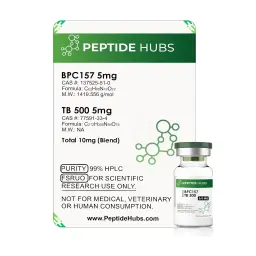
Synergistic Healing Peptide Blend
Active Substances:
- TB-500 (5 mg)
- BPC-157 (5 mg)
Brand: Peptide Hubs
Unit: 2 mL Vial (10 mg total/vial)
Form: Lyophilized Powder
Laboratory Tested: View Lab Result
USA Domestic: 2-7 Days Delivery
International: 5-20 Days Delivery
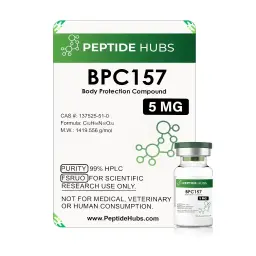
Research Peptide/Healing Peptide
Active Substance: Pentadecapeptide
Manufacturer: Peptide Hubs
Unit: 2 mL Vial (5 mg/vial)
Form: Lyophilized Powder
Laboratory Tested: View Lab Result
USA Domestic: 2-7 Days Delivery
International: 5-20 Days Delivery
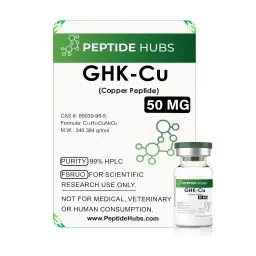
Copper Peptide Complex
Active Substance: GHK-Cu (Glycyl-L-Histidyl-L-Lysine Copper Complex)
Manufacturer: Peptide Hubs
Unit: 2 mL Vial (50 mg/vial)
Form: Lyophilized Powder
Laboratory Tested: View Lab Result
USA Domestic: 2-7 Days Delivery
International: 5-20 Days Delivery
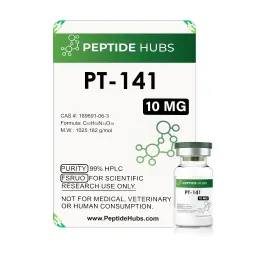
Synthetic Peptide
Active Substance: Bremelanotide
Brand: Peptide Hubs
Unit: 2 mL Vial (10 mg/vial)
Form: Lyophilized Powder
Laboratory Tested: View Lab Result
USA Domestic: 2-7 Days Delivery
International: 5-20 Days Delivery
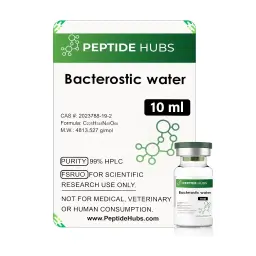
Sterile Diluent
Active Substance: Sterile Water with 0.9% Benzyl Alcohol
Manufacturer: Peptide Hubs
Unit: 10 mL Vial (0.9% Benzyl Alcohol)
Form: Sterile Solution
Laboratory Tested: View Lab Result
USA Domestic: 2-7 Days Delivery
International: 5-20 Days Delivery

