

Reparative & Regenerative Peptide
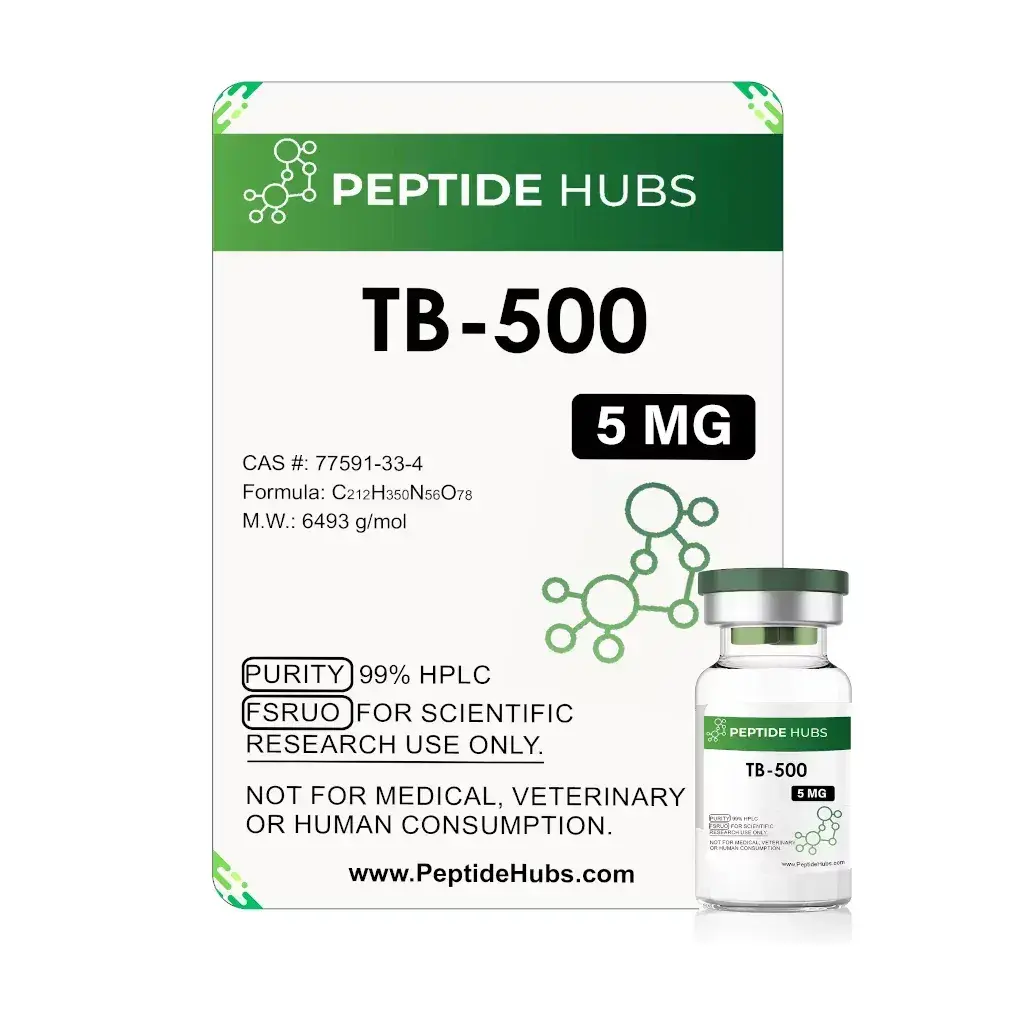
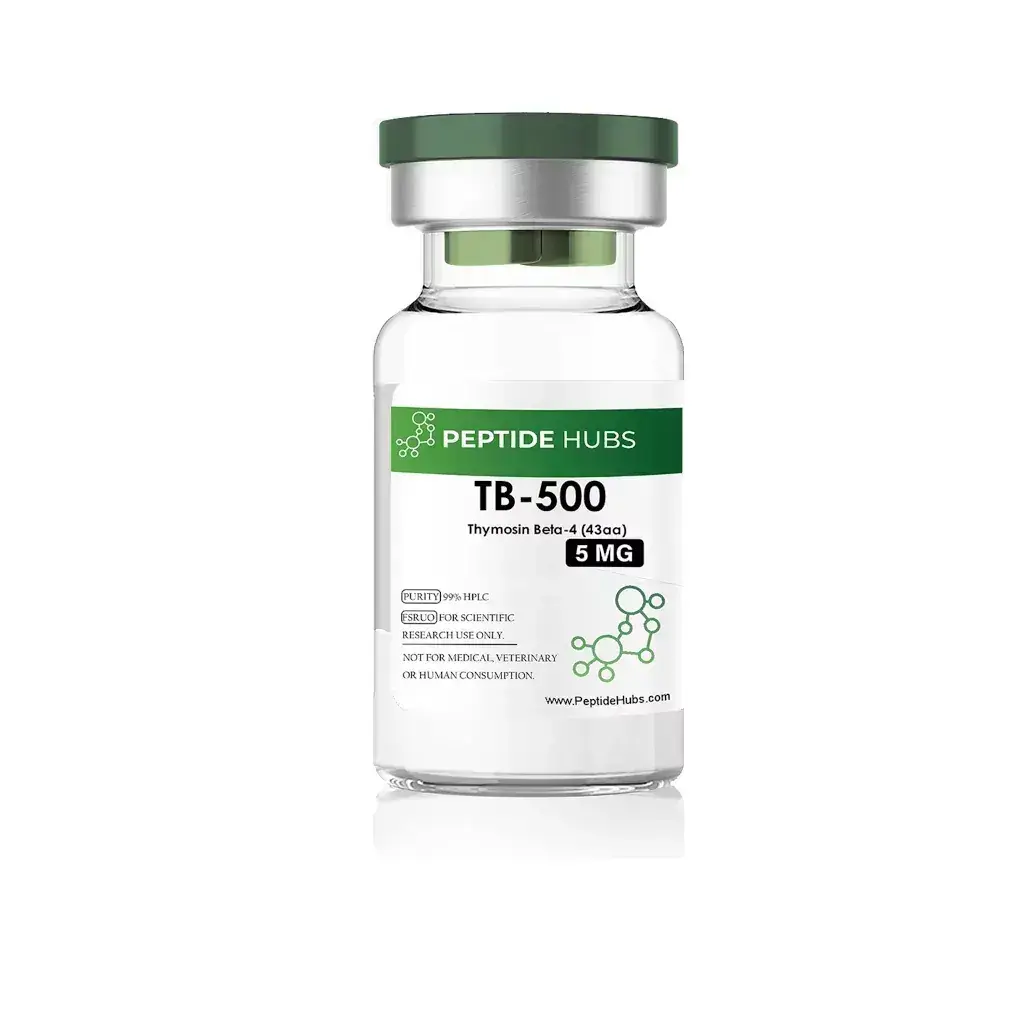
Active Substance: Thymosin Beta 4
Brand: Peptide Hubs
Unit: 2 mL Vial (5 mg/vial)
Form: Lyophilized Powder
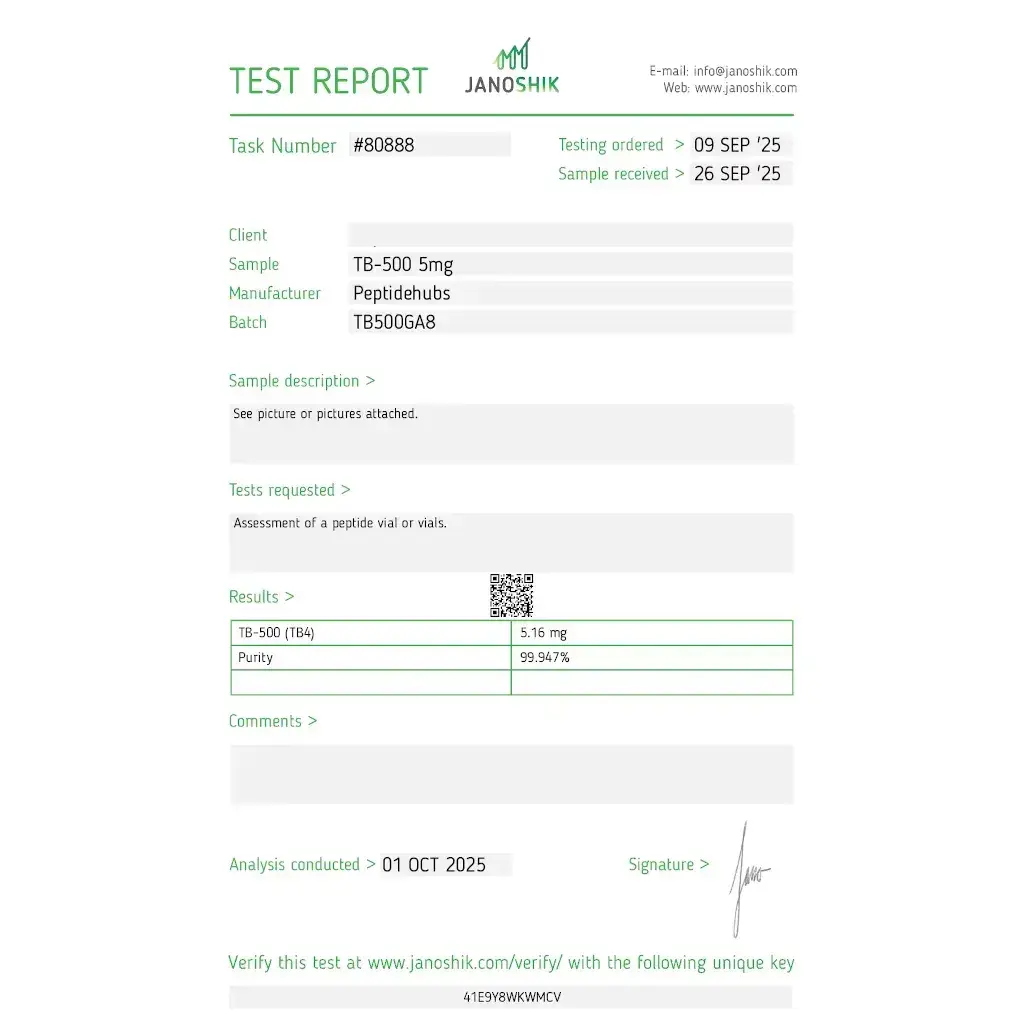
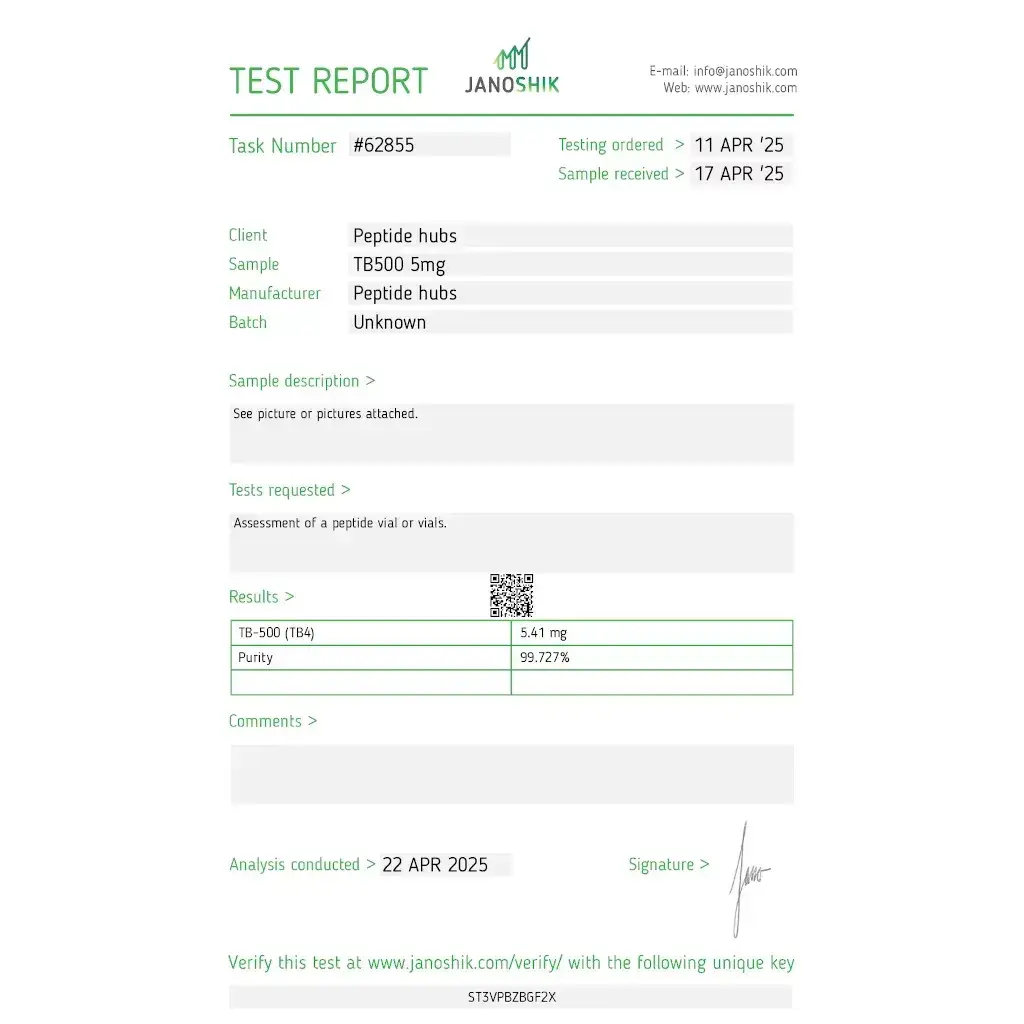
Laboratory Tested: View Lab Result
USA Domestic: 2-7 Days Delivery
International: 5-20 Days Delivery
Transform your recovery and overcome training plateaus with Peptide Hubs TB 500 5 mg. This powerful synthetic fragment of the naturally occurring Thymosin Beta-4 protein is the gold standard for accelerating healing and reducing downtime from injuries. For athletes and bodybuilders pushing their limits, nagging tendonitis, ligament strains, and muscle tears are inevitable—but they don't have to sideline you for months. TB 500 works systemically to promote cell migration, reduce inflammation, and stimulate angiogenesis (new blood vessel growth), delivering nutrients and oxygen directly to damaged tissues. This legit Peptide Hubs product is backed by multiple third-party lab tests confirming purity above 5 mg. When you buy TB 500 by Peptide Hubs, you're investing in a proven, research-backed tool to get back to training faster, stronger, and more resilient than before.
Each vial contains 5 mg of high-purity TB-500, the synthetic, active fragment (Ac-Ser-Asp-Lys-Pro-Asp-Met-Ala-Glu-Ile-Glu-Lys-Phe-Asp-Lys-Ser-Lys-Leu-Lys-Lys-Thr-Glu-Thr-Gln-Glu-Lys-Asn-Pro-Leu-Pro-Ser-Lys-Glu-Thr-Ile-Glu-Gln-Glu-Lys-Gln-Ala-Gly-Glu-Ser) of the endogenous protein Thymosin Beta-4. It is supplied as a sterile, white lyophilized powder in a 2 mL glass vial, ready for precise reconstitution.
TB-500 is indispensable for the serious athlete. Its primary benefit is dramatically accelerated healing of musculoskeletal injuries, particularly those affecting connective tissues—tendons, ligaments, and joint capsules—which are notoriously slow to heal. It reduces chronic inflammation in overuse injuries like tendonitis and bursitis, allowing pain-free training to resume. Beyond injury repair, TB-500 enhances flexibility and range of motion by promoting a healthier extracellular matrix, reducing the risk of future injuries. Users also report improved muscle stamina and endurance, as the peptide supports better blood flow and nutrient delivery to working muscles during exercise.
Therapeutically, Thymosin Beta-4 and its active fragment TB-500 have shown significant promise in wound healing, cardiac repair after myocardial infarction, and modulating inflammatory responses. Research highlights its role in promoting epithelial cell migration and angiogenesis, making it valuable for skin ulcers, corneal injuries, and burn recovery. Its anti-fibrotic and anti-inflammatory properties are being investigated for conditions like stroke, multiple sclerosis, and pulmonary fibrosis.
For acute injury healing, a common loading protocol for men is 2-2.5 mg (approximately half the vial) administered via subcutaneous injection twice per week for 4-6 weeks. For maintenance or chronic issues, the dose can be reduced to 2-2.5 mg once per week or 1 mg twice per week. Injection site can be in abdominal fat, but systemic effects are not dependent on local injection.
Female users can follow a similar protocol, often starting at a slightly lower loading dose of 1.5-2 mg twice weekly for the first 4 weeks. Maintenance dosing typically ranges from 1.5-2 mg once weekly or 0.75-1 mg twice weekly, depending on body weight and the severity of the condition being addressed.
The active fragment of TB-500 has a relatively short plasma half-life, but its biological effects on cell migration, inflammation, and angiogenesis are sustained for days to weeks. Its metabolites remain active, contributing to its prolonged therapeutic benefits, which is why less frequent dosing (2-3 times per week) is effective.
TB-500 is generally well-tolerated with a high safety margin. The most frequently reported side effects are mild and localized to the injection site, such as temporary redness, itching, or swelling. Systemic side effects are rare but may include lightheadedness, fatigue, or a temporary increase in appetite. There is no known hormonal or androgenic activity.
There are no absolute medical contraindications specific to TB-500 due to its excellent safety profile. However, standard precautions apply: it should not be used by individuals with known hypersensitivity to the peptide. Use during pregnancy or breastfeeding has not been studied. Those with active cancer or a history of malignant tumors should exercise caution and consult a physician, as TB-500 promotes cell migration and angiogenesis.
There are no documented cases of severe toxicity from TB-500 overdose. Given its mechanism and safety studies, the risk is considered low. Extremely high doses might theoretically lead to an exaggerated physiological response, such as excessive angiogenesis or unwanted tissue growth (e.g., keloid scarring). In case of accidental significant overdose, discontinue use and monitor for any unusual symptoms.
TB-500 stacks exceptionally well to create comprehensive healing and recovery protocols. For synergistic, site-specific injury repair, the classic stack is with BPC 157 5 mg. To enhance overall systemic recovery and cellular energy, combine with the mitochondrial protector SS-31 50 mg. For supporting joint health and reducing inflammation from intense training, add GHK-Cu 50 mg. To promote deeper, more restorative sleep critical for healing, consider stacking with DSIP 10 mg. For athletes also focused on growth hormone benefits, adding Sermorelin 5 mg can support overall tissue repair and anabolism.
Your order arrives in secure, discreet packaging. Each purchase contains one sealed 2 mL glass vial filled with 5 mg of high-purity, lyophilized TB-500 peptide powder manufactured by Peptide Hubs.
Store the unopened, lyophilized vial in a refrigerator between 2°C and 8°C (36°F - 46°F). Protect from light and moisture. Once reconstituted with bacteriostatic water, the solution must be kept refrigerated and is typically stable for 4-6 weeks. Do not freeze the reconstituted solution.
Thymosin Beta-4 (TB-4) is a 43-amino-acid protein present in most cells. TB-500 is its active, synthetic fragment. Its primary mechanisms are multifaceted:
Many users report noticeable improvements within 7-14 days of starting a loading protocol. Acute pain and inflammation often subside first, followed by improved mobility and strength over the following 2-4 weeks. Complete healing of significant tendon or ligament injuries may take 6-8 weeks of consistent use, but this is often much faster than natural recovery, which can take months. The systemic action means it works on all injured areas simultaneously.
No, that's a key advantage of TB-500. It works systemically. Once injected subcutaneously (typically in abdominal fat), it circulates throughout the body and migrates to areas of inflammation and tissue damage. This makes it ideal for hard-to-reach injuries like shoulder rotator cuffs, deep knee ligaments, or spinal issues. You get the benefits without needing painful localized injections.
While both are healing peptides, they have distinct mechanisms and strengths. BPC-157 is excellent for localized, site-specific repair of tendons, ligaments, and the gut lining, promoting rapid angiogenesis. TB-500 works systemically to reduce inflammation, enhance cell migration, and promote flexibility. They are highly synergistic—BPC-157 acts as the local repair crew, while TB-500 is the systemic coordinator that reduces overall inflammation and brings resources to the site. Using them together is often called the "ultimate healing stack."
Absolutely. Many competitive athletes and bodybuilders run low-dose TB-500 cycles (e.g., 2-2.5 mg once per week) during intense training blocks or contest prep. This helps maintain tendon and ligament integrity, reduces systemic inflammation from heavy training, improves joint flexibility, and enhances recovery between sessions. It's a powerful preventive strategy to keep you training consistently at a high level.
The multiple, dated lab test reports (e.g., 2025-04-22: 5.41 mg, 2025-10-01: 5.16 mg) are concrete proof of our commitment to consistent quality and transparency. They demonstrate that Peptide Hubs TB 500 is not a one-off batch but a reliably pure product over time. Each test confirms potency exceeds the labeled 5 mg, ensuring you receive a legit, accurately dosed, and effective peptide every time you order.
Please log in to write TB 500 5 mg review.
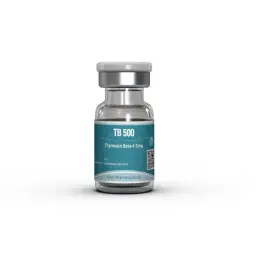
Peptide Hormone
Active Substance: Thymosin Beta 4
Manufacturer: Kalpa Pharmaceuticals
Unit: 2 mL Vial (5 mg/vial)
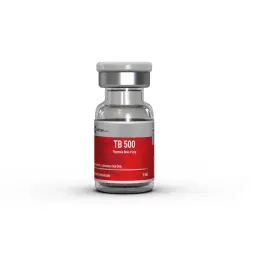
Peptide Hormone
Active Substance: Thymosin Beta 4
Manufacturer: British Dragon
Unit: 2 mL Vial (5 mg/vial)
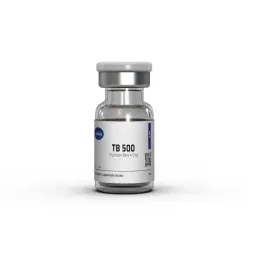
Peptide Hormone
Active Substance: Thymosin Beta 4
Manufacturer: Axiolabs
Unit: 2 mL Vial (5 mg/vial)
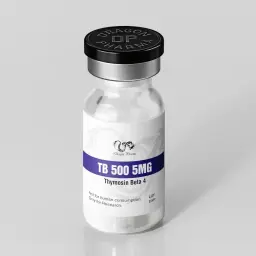
Peptide Hormone
Active Substance: Thymosin Beta-4
Manufacturer: Dragon Pharma
Unit: 2 mL Vial (5 mg/mL)
Form: Powder
Laboratory Tested: View Lab Result
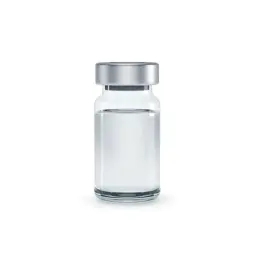
Human Peptide Hormone
Active Substance: Thymosin Beta 4
Manufacturer: Stealth Labs USA
Unit: 2 mL Vial (10 mg/vial)
Laboratory Tested: View Lab Result
Shipped Without Label!
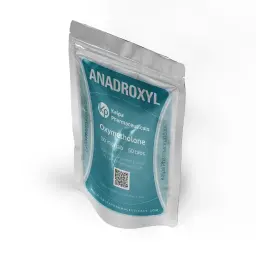
Oral Anabolic Steroid
Active substance: Oxymetholone
Manufacturer: Kalpa Pharmaceuticals
Unit: 50 pills (50 mg/pill)
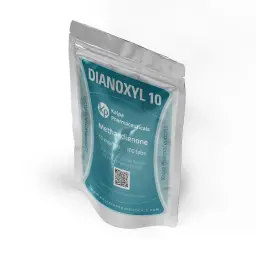
Oral Anabolic Steroid
Active substance: Methandrostenolone
Manufacturer: Kalpa Pharmaceuticals
Unit: 100 pills (10 mg/pill)
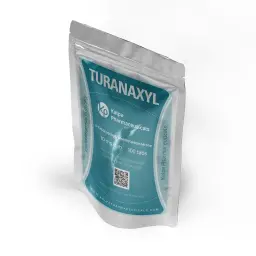
Oral Anabolic Steroid
Active substance: Chlorodehydromethyltestosterone
Manufacturer: Kalpa Pharmaceuticals
Unit: 100 pills (10 mg/pill)

