

Research Peptide/GLP-1 & Amylin Agonist
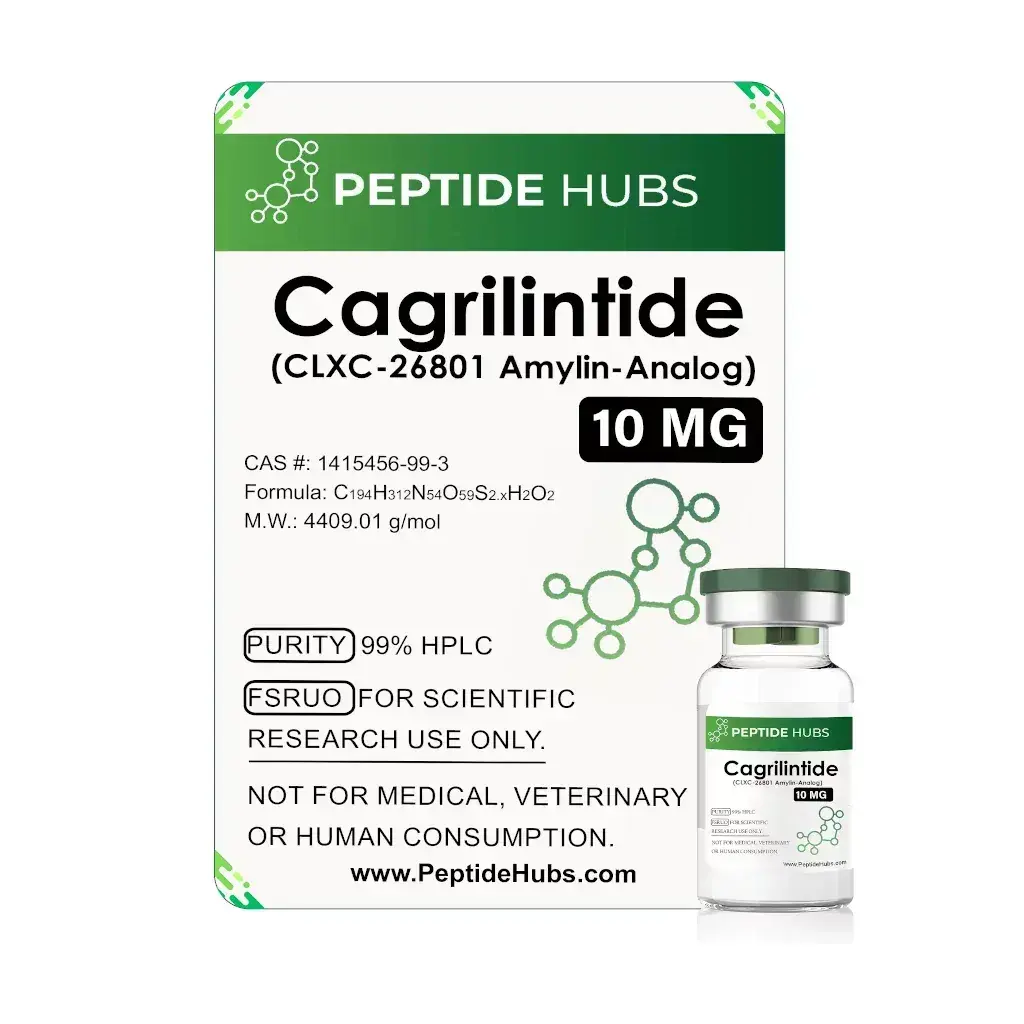
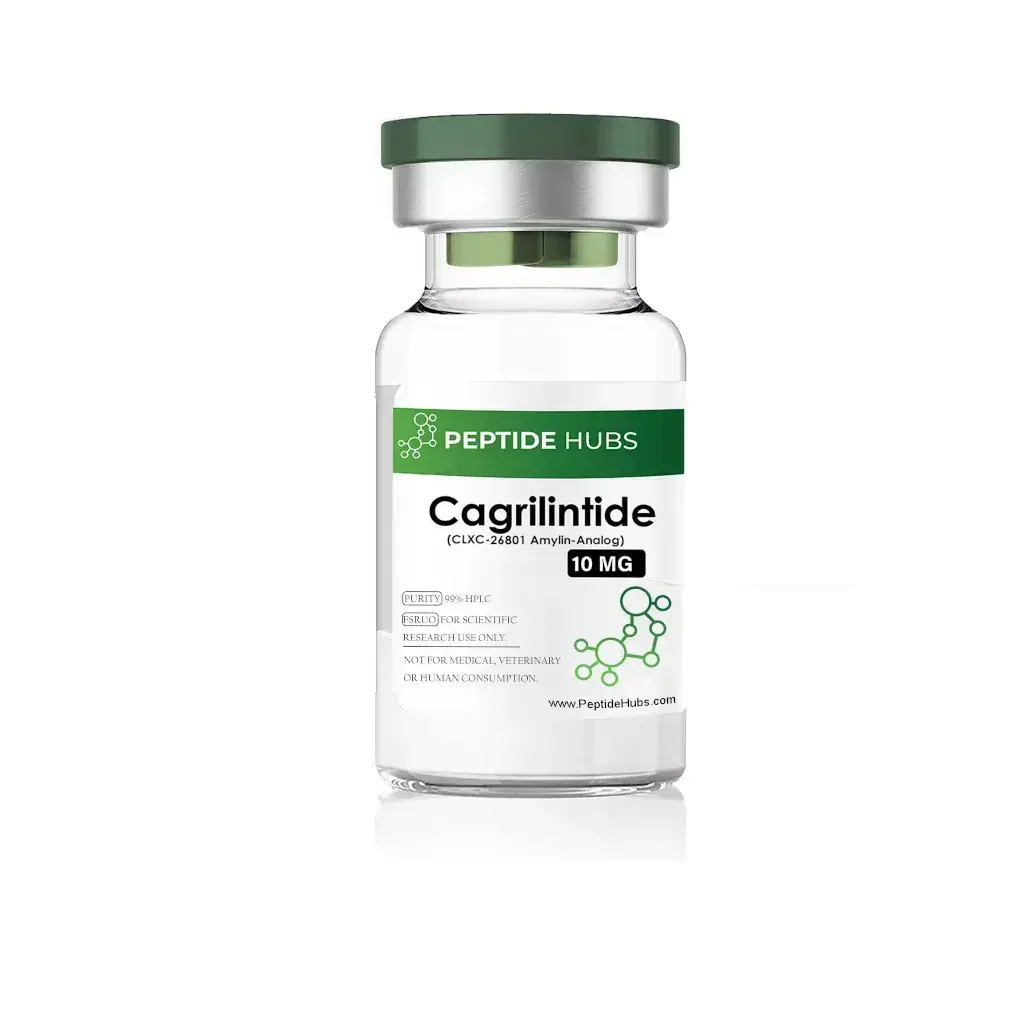
Active Substance: Cagrilintide
Manufacturer: Peptide Hubs
Unit: 2 mL Vial (10 mg/vial)
Form: Lyophilized Powder
Laboratory Tested: View Lab Result
USA Domestic: 2-7 Days Delivery
International: 5-20 Days Delivery
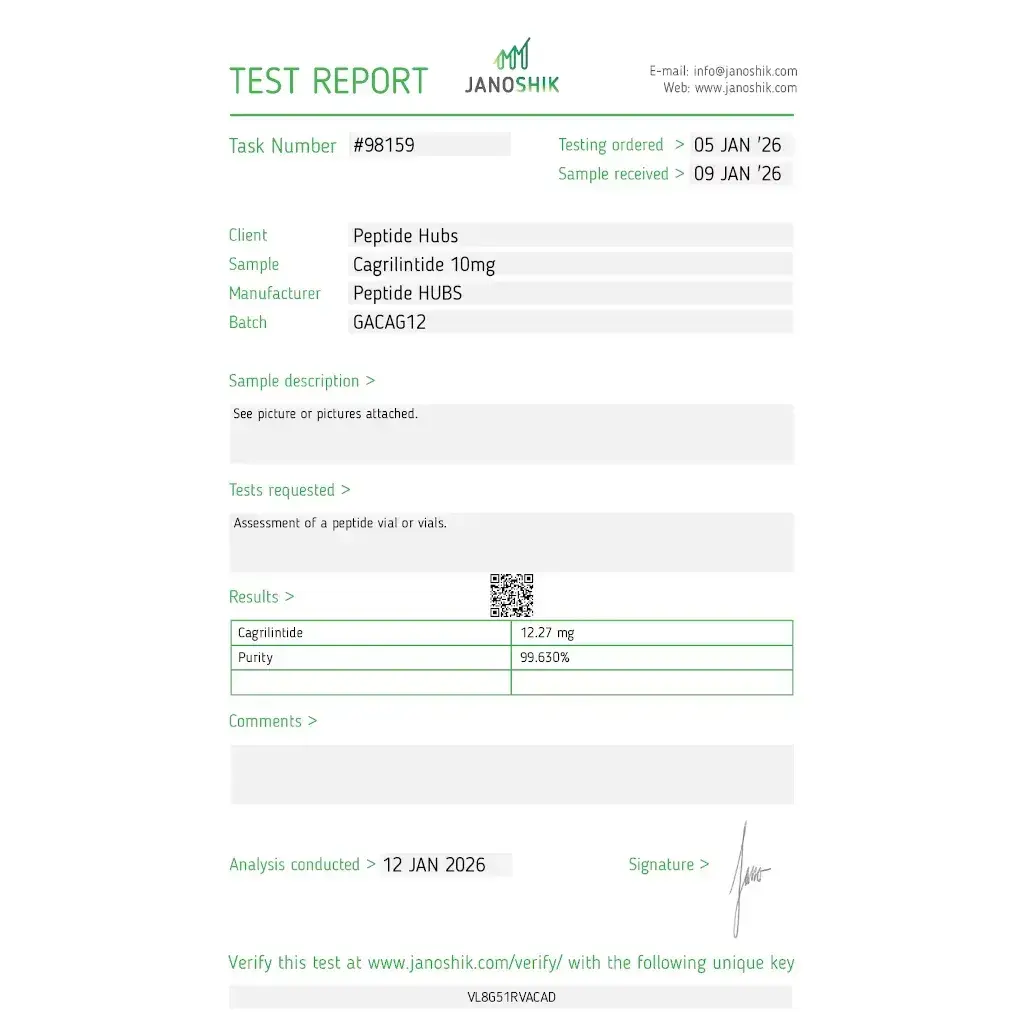
Cagrilintide represents the cutting edge of metabolic research peptides, offered as a 10 mg lyophilized powder. This long-acting dual amylin and calcitonin gene-related peptide (CGRP) receptor agonist has demonstrated profound effects on appetite regulation and weight management in clinical studies. With a third-party lab test confirming an exceptional 12.27 mg per vial—exceeding the labeled 10 mg—researchers receive a premium, accurately dosed compound. For bodybuilders, athletes, and fitness researchers focused on body recomposition, Cagrilintide offers a sophisticated mechanism for investigating sustained appetite suppression and fat loss without the stimulant side effects of traditional weight-loss compounds.
Each sterile 2 mL vial contains 10 mg of Cagrilintide, a synthetic 37-amino acid peptide analog of the pancreatic hormone amylin. The molecule is engineered with fatty acid side chains to dramatically extend its half-life, enabling once-weekly administration in research models. The product is presented as a pure, white lyophilized powder without additives, requiring reconstitution with bacteriostatic water before use in a research setting. This formulation ensures maximum stability and potency for investigative protocols.
In research models, Cagrilintide demonstrates transformative potential for body composition studies. Its primary investigational benefits include profound, sustained appetite reduction leading to significant calorie deficit without conscious effort—valuable for contest prep or cutting phases. Unlike stimulants, it works centrally in the brain's appetite centers. Research suggests it may also increase energy expenditure and promote preferential fat loss while preserving lean muscle mass during calorie restriction. For athletes, this makes it a subject of high interest for achieving ultra-lean physiques with minimal muscle catabolism and without the metabolic slowdown typically associated with dieting.
While a research chemical, Cagrilintide has been extensively studied in clinical trials for obesity management. As a long-acting amylin analog, it mimics the action of endogenous amylin, which is co-secreted with insulin and promotes satiety, slows gastric emptying, and modulates glucose metabolism. According to research published in The Lancet Diabetes & Endocrinology, Cagrilintide demonstrated significant dose-dependent weight reduction in phase 2 trials. Furthermore, studies referenced by the National Institutes of Health (NIH) highlight its novel mechanism as a dual agonist with promising metabolic effects, distinguishing it from single-mechanism GLP-1 drugs.
Cagrilintide operates through two primary pathways. First, as an amylin receptor agonist, it activates receptors in the area postrema of the brainstem, a region lacking a blood-brain barrier, signaling satiety and reducing food intake. Second, it acts as a CGRP receptor antagonist, which may further modulate appetite and energy balance. This dual action results in reduced hunger, increased feelings of fullness after meals, and delayed gastric emptying, leading to sustained calorie reduction. Its once-weekly activity profile is due to albumin binding via its fatty acid chain.
Research protocols for Cagrilintide are based on clinical trial data. In human obesity studies, effective doses ranged from 1.2 mg to 4.5 mg administered once weekly via subcutaneous injection. For athletic and bodybuilding research into body recomposition, investigative doses often start at the lower end of this spectrum (e.g., 1.2-2.4 mg weekly) to assess tolerance and effect. Given its long half-life (~7-8 days), once-weekly administration is sufficient. Research cycles typically span 12-24 weeks to align with meaningful body composition changes.
Research dosing for female subjects generally follows the same milligram-per-week protocols as for men, often initiating at 1.2 mg weekly. Clinical trials have shown similar efficacy and safety profiles across genders. However, as with all metabolic research, individual variation in response should be accounted for in study design. Conservative dose titration (e.g., starting low and increasing gradually) is a prudent research approach.
Cagrilintide has an exceptionally long half-life of approximately 7-8 days in humans, attributable to its albumin-binding design. This allows for once-weekly dosing while maintaining stable plasma concentrations. The pharmacological effects on appetite and gastric emptying persist throughout the dosing interval, providing continuous research effect without daily administration peaks and troughs.
In clinical research, the most commonly reported effects are gastrointestinal and dose-dependent. These include transient nausea, vomiting, diarrhea, and constipation, especially during dose escalation. These effects typically diminish over several weeks as tolerance develops. Unlike stimulant-based appetite suppressants, Cagrilintide is not associated with increased heart rate, blood pressure, or central nervous system stimulation. Hypoglycemia is rare when used in non-diabetic research models.
Cagrilintide is contraindicated in research involving subjects with a personal or family history of medullary thyroid carcinoma (MTC) or Multiple Endocrine Neoplasia syndrome type 2 (MEN 2), due to theoretical CGRP receptor activity. It should not be used in subjects with severe gastrointestinal disease. Caution is advised in research designs involving subjects with pancreatitis or gallstone history. It is for research use only in laboratory settings.
Overdosage would likely exacerbate gastrointestinal side effects, leading to severe nausea, vomiting, and potential dehydration. There is no specific antidote; management in a research context would involve supportive care and cessation of the compound. The wide therapeutic window observed in clinical trials suggests a good safety margin, but adherence to established research dosing is critical.
Cagrilintide can be researched in combination with other peptides that have complementary or synergistic mechanisms for body recomposition. Potential research stacks include:
These stacks are conceptual frameworks for sophisticated metabolic research only.
The product is supplied as one sterile glass vial containing 10 mg of Cagrilintide as a white lyophilized powder. The vial is sealed with a rubber stopper and aluminum crimp to ensure sterility. It is shipped in discreet, temperature-conscious packaging to maintain stability.
For long-term stability of the lyophilized powder, store at or below -20°C (-4°F). For short-term use (under 30 days), refrigeration at 2-8°C (36-46°F) is acceptable. After reconstitution, the solution should be refrigerated and used within the timeframe specified by sterile research guidelines. Due to the peptide's long-acting nature, single-use reconstitution for weekly dosing is a common research practice.
The development and clinical profile of Cagrilintide are well-documented in peer-reviewed literature. Key references include phase 1 and 2 trial results published in major endocrinology journals, detailing its pharmacokinetics, efficacy, and safety. Researchers should consult these primary sources, including clinical trial registries and NIH resources, to design rigorous, evidence-based studies.
Cagrilintide is a long-acting synthetic analog of the hormone amylin, acting as a dual amylin and calcitonin gene-related peptide (CGRP) receptor agonist. Semaglutide is a GLP-1 receptor agonist. While both reduce appetite and promote weight loss, they work through different biological pathways. Cagrilintide mimics amylin, which slows gastric emptying and signals satiety in the brain, whereas Semaglutide mimics GLP-1, which also affects insulin and glucagon secretion. This makes Cagrilintide a distinct and novel subject for metabolic research.
Yes. Peptide Hubs Cagrilintide is verified by an independent third-party lab test dated January 2026. The test result shows 12.27 mg of active substance per 10 mg vial—a significant overfill that demonstrates both high purity and generous manufacturing. This level of transparency and quality assurance confirms Peptide Hubs as a legit source for premium research peptides.
For bodybuilding and athletic research, Cagrilintide is studied for its potential to induce a significant, sustainable calorie deficit without the hunger and cravings that often derail diets. This can be invaluable for contest preparation or achieving extreme leanness. Research also explores its ability to promote fat loss while potentially sparing lean muscle mass due to its non-stimulant, hormone-mimicking mechanism. Its once-weekly administration is also logistically favorable in research settings.
Based on clinical trial data, research protocols typically use once-weekly subcutaneous injections. Doses studied range from 1.2 mg to 4.5 mg per week. For initial research into body composition, starting at 1.2 mg or 2.4 mg weekly is common to assess tolerance, as gastrointestinal side effects are dose-dependent. The long half-life (~7 days) makes frequent dosing unnecessary. Research cycles often last 12 weeks or longer to evaluate body composition changes.
The most frequently observed effects in clinical research are gastrointestinal: nausea, vomiting, diarrhea, and constipation. These are usually mild to moderate, occur during the initial dose-titration phase, and tend to subside with continued use. Unlike older appetite suppressants, it does not cause stimulant-related effects like insomnia, anxiety, or increased heart rate. Researchers should monitor for these GI effects, especially during the first 4-8 weeks of a study.
Please log in to write Cagrilintide 10 mg review.
Growth Factor/Anabolic Peptide
Active Substance: Long R3 Insulin-like Growth Factor-1
Manufacturer: Peptide Hubs
Unit: 2 mL Vial (1 mg/vial)
Form: Lyophilized Powder
USA Domestic: 2-7 Days Delivery
International: 5-20 Days Delivery
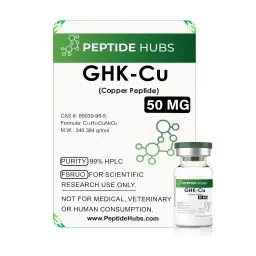
Copper Peptide Complex
Active Substance: GHK-Cu (Glycyl-L-Histidyl-L-Lysine Copper Complex)
Manufacturer: Peptide Hubs
Unit: 2 mL Vial (50 mg/vial)
Form: Lyophilized Powder
Laboratory Tested: View Lab Result
USA Domestic: 2-7 Days Delivery
International: 5-20 Days Delivery
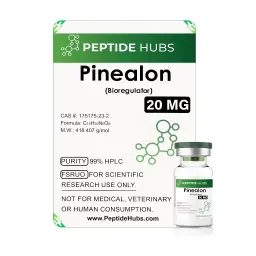
Synthetic Tripeptide
Active Substance: Pinealon (Glu-Asp-Arg)
Brand: Peptide Hubs
Unit: 2 mL Vial (20 mg/vial)
Form: Lyophilized Powder
USA Domestic: 2-7 Days Delivery
International: 5-20 Days Delivery
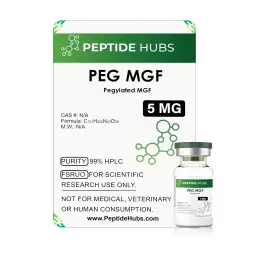
Pegylated Growth Factor
Active Substance: Pegylated Mechano Growth Factor
Manufacturer: Peptide Hubs
Unit: 2 mL Vial (5 mg/vial)
Form: Lyophilized Powder
Laboratory Tested: View Lab Result
USA Domestic: 2-7 Days Delivery
International: 5-20 Days Delivery
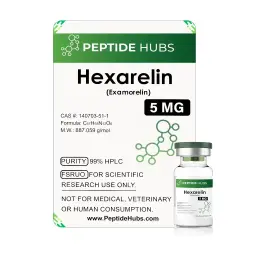
Growth Hormone Releasing Peptide
Active Substance: Examorelin (Hexarelin)
Manufacturer: Peptide Hubs
Unit: 2 mL Vial (5 mg/vial)
Form: Lyophilized Powder
Laboratory Tested: View Lab Result
USA Domestic: 2-7 Days Delivery
International: 5-20 Days Delivery
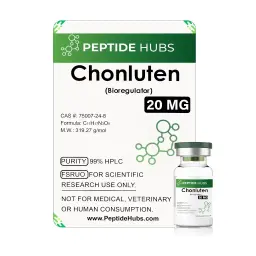
Research Peptide/Lung Bioregulator
Active Substance: Chonluten
Manufacturer: Peptide Hubs
Unit: 2 mL Vial (20 mg/vial)
Form: Lyophilized Powder
Laboratory Tested: View Lab Result
USA Domestic: 2-7 Days Delivery
International: 5-20 Days Delivery
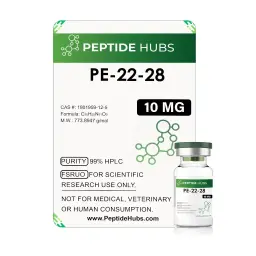
Neuropeptide Research Compound
Active Substance: PE 22-28 (PACAP fragment)
Manufacturer: Peptide Hubs
Unit: 2 mL Vial (10 mg/vial)
Form: Lyophilized Powder
Laboratory Tested: View Lab Result
USA Domestic: 2-7 Days Delivery
International: 5-20 Days Delivery
